Introduction
Selecting the right watermelon seeds is a crucial step towards cultivating a bountiful harvest of sweet, juicy watermelons. From heirloom varieties to modern hybrids, the variety of seeds available can be overwhelming for even experienced gardeners. This guide aims to provide a professional and thorough approach to choosing watermelon seeds, ensuring you start your season off on the right foot.
Understanding Watermelon Seed Types
- Heirloom Seeds
- Description: Heirloom watermelon seeds are passed down through generations, prized for their unique flavors, textures, and often their ability to withstand changing climatic conditions.
- Advantages: Offer diversity and cultural significance; may produce more complex flavors.
- Considerations: Can be more susceptible to pests and diseases; may not be as productive as modern hybrids.
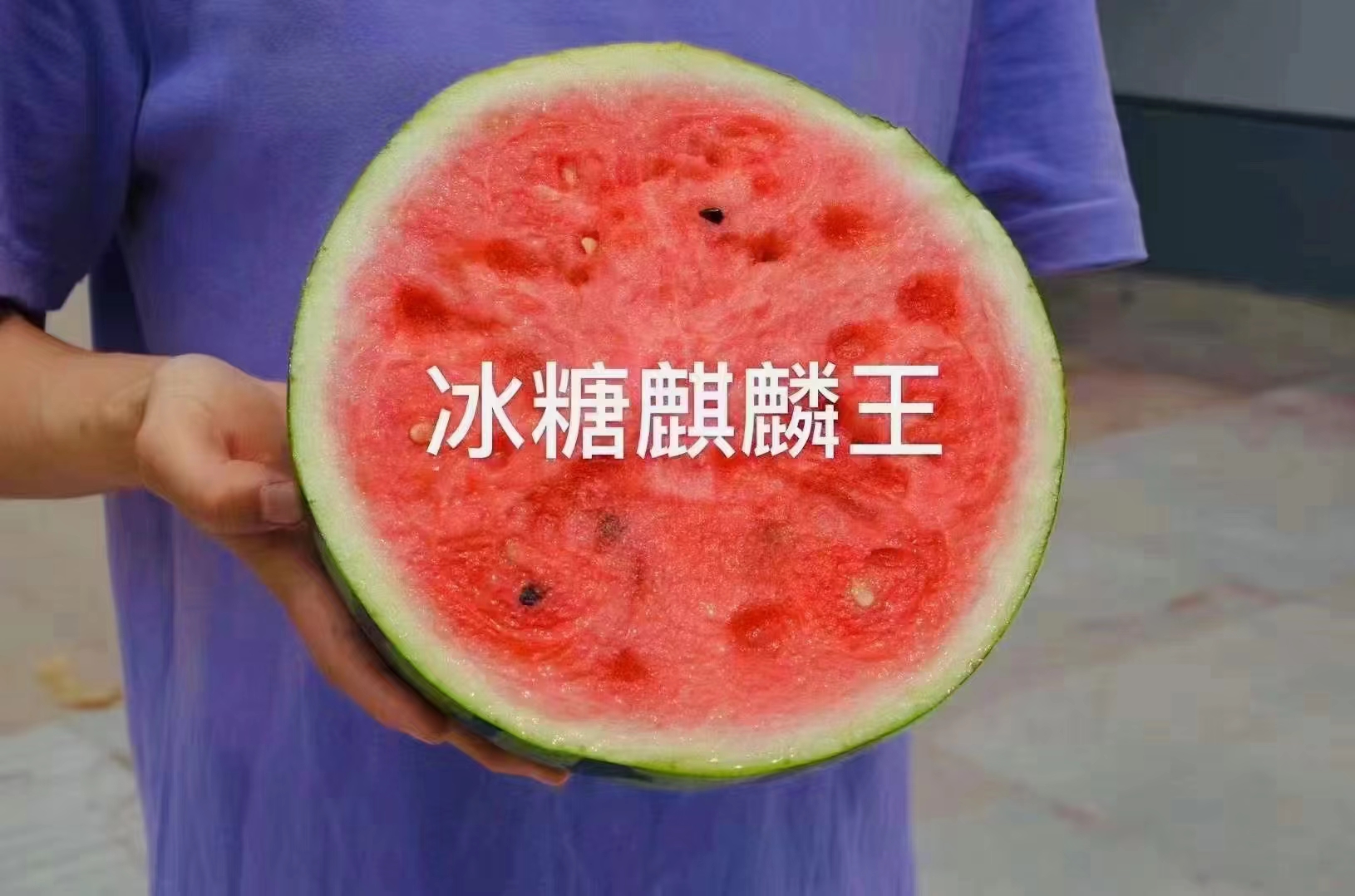
2. Hybrid Seeds
- Description: Hybrids are the result of crossing two or more distinct watermelon varieties to create offspring with desirable traits like increased sweetness, disease resistance, and higher yields.
- Advantages: Often produce larger, more uniform fruits with enhanced taste and disease resistance.
- Considerations: May not have the same level of flavor complexity as heirlooms; can be more expensive.
3. Open-Pollinated Seeds
- Description: Open-pollinated seeds come from plants that naturally reproduce, without. They retain the traits of their parents when saved and replanted.
- Advantages: Suitable for seed-saving and maintaining genetic diversity; often offer a good balance between flavor and yield.
- Considerations: May not exhibit the same disease resistance as hybrids.
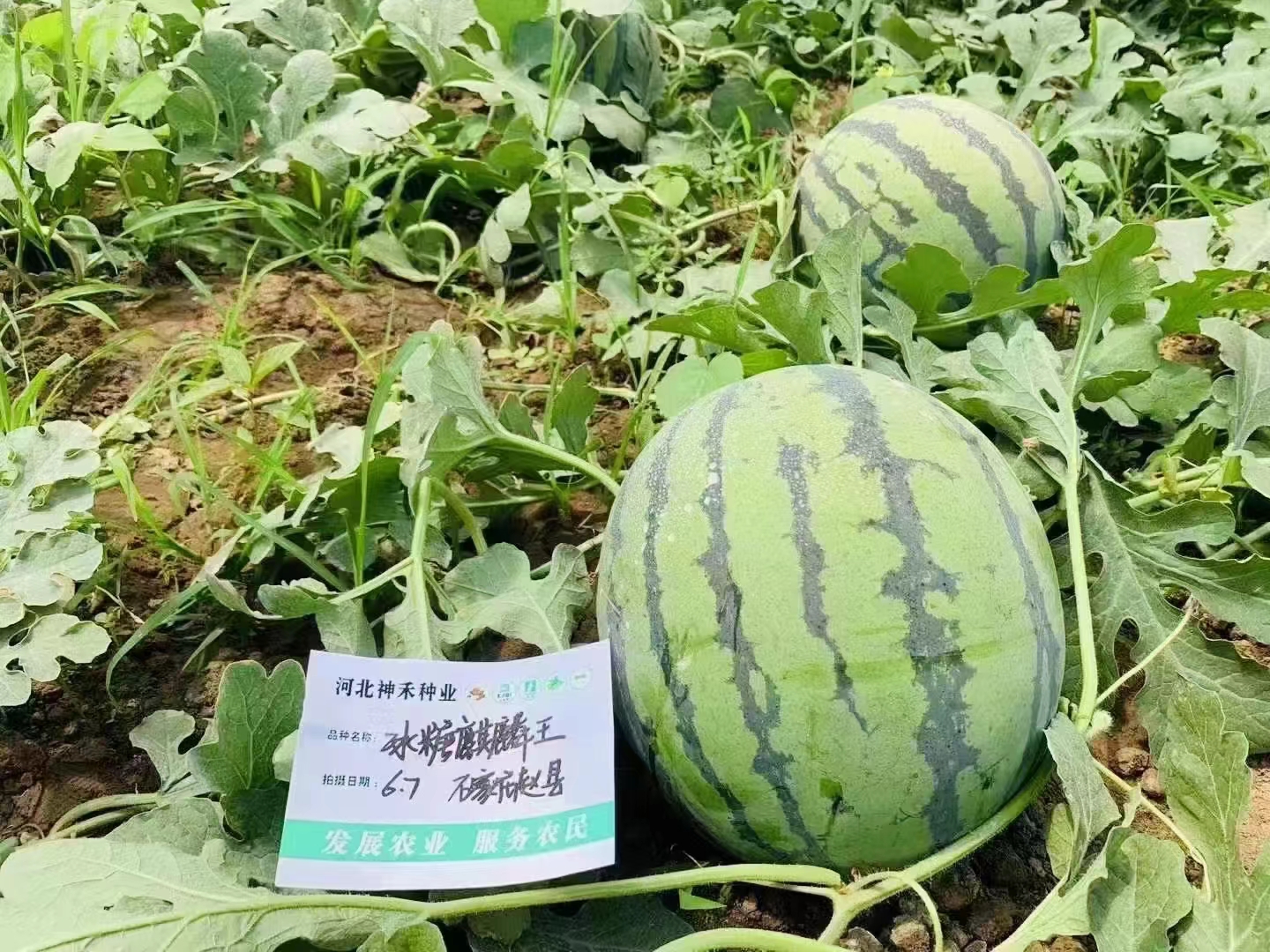
Factors to Consider When Choosing Seeds
1. Climate and Season
- Key Point: Select seeds that are suitable for your region's climate and growing season.
- Advice: Consult local or seed catalogs for recommendations.
2. Fruit Size and Shape
- Variety: From tiny "icebox" melons to giant picnic melons, choose based on your needs and space.
- Shape: Some varieties have elongated or round shapes, consider how this fits your harvest and storage plans.
3. Taste and Sweetness
- Objective: Identify seeds that produce watermelons with your preferred sweetness level and flavor profile.
- Tip: Read reviews and descriptions from reputable seed sellers for insights into taste.
4. Disease Resistance
- Importance: Choosing disease-resistant varieties can minimize the need for chemical treatments and improve overall crop health.
- Checklist: Look for labels indicating resistance to common watermelon diseases like fusarium wilt or powdery mildew.
5. Germination Rate
- Relevance: High germination rates ensure a robust your crop.
- Advice: Purchase seeds from reputable sources with documented high germination rates.
Where to Source Watermelon Seeds
- Seed Catalogs: Order from established seed companies offering a wide selection and detailed product descriptions.
- Local Nurseries: Visit local nurseries for personalized advice and seed selection.
- Online Retailers: Take advantage of the convenience and vast selection of online seed retailers.


