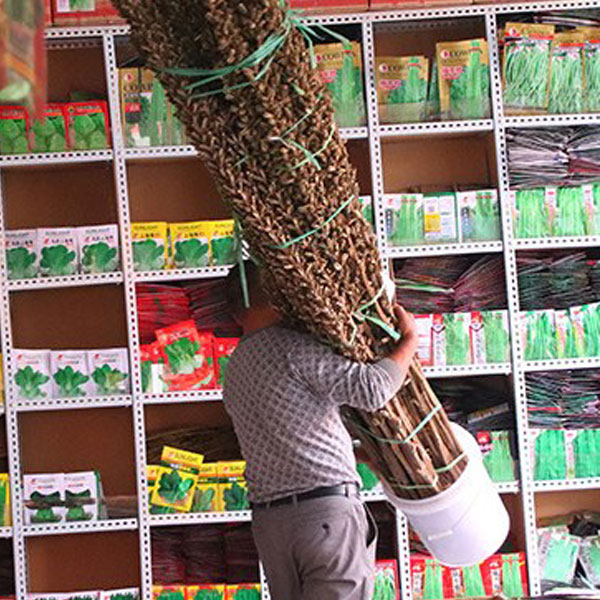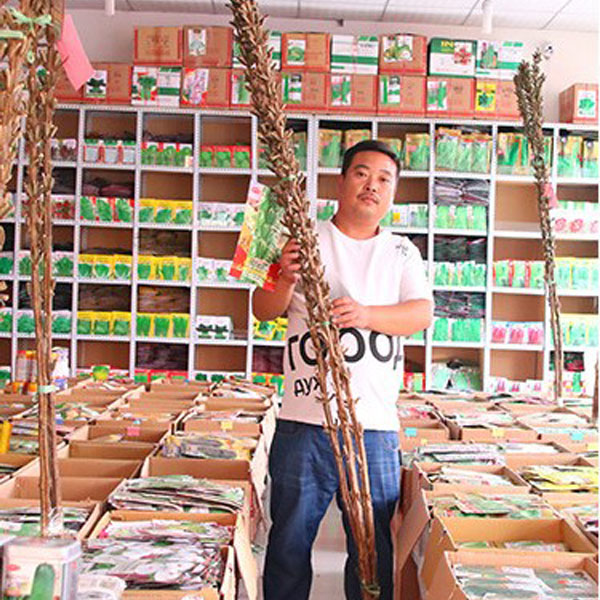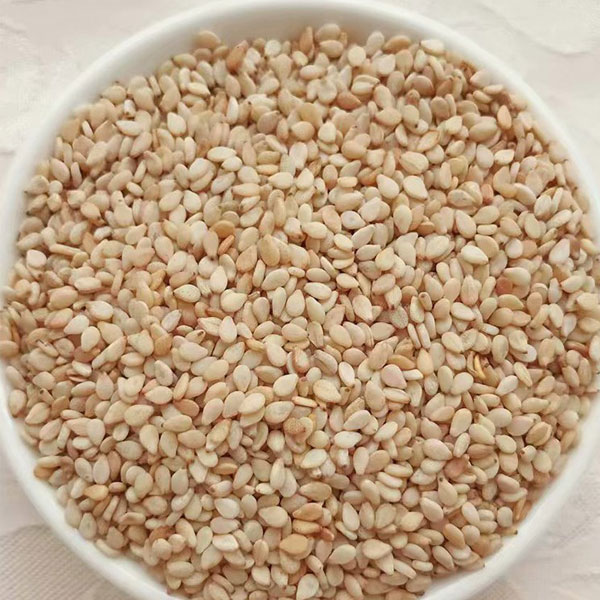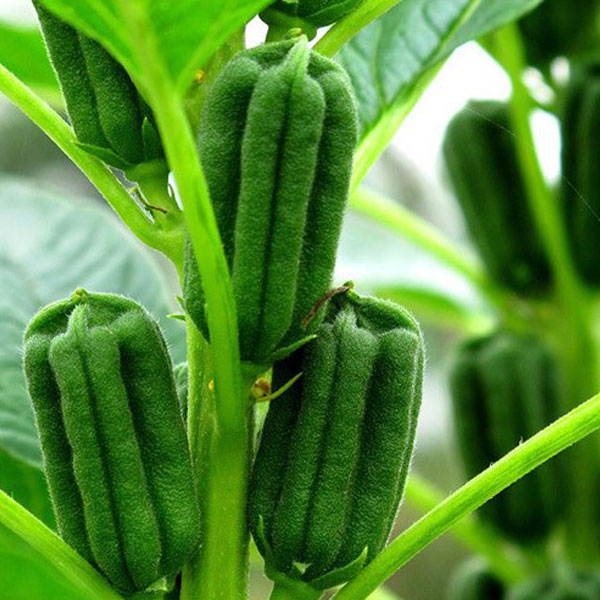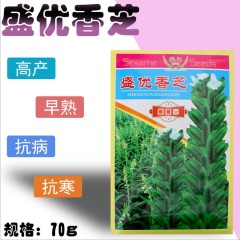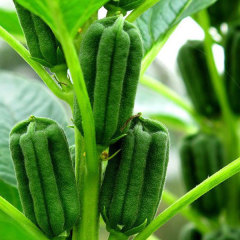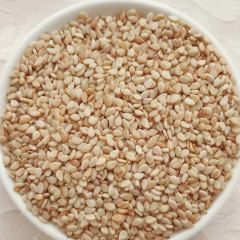
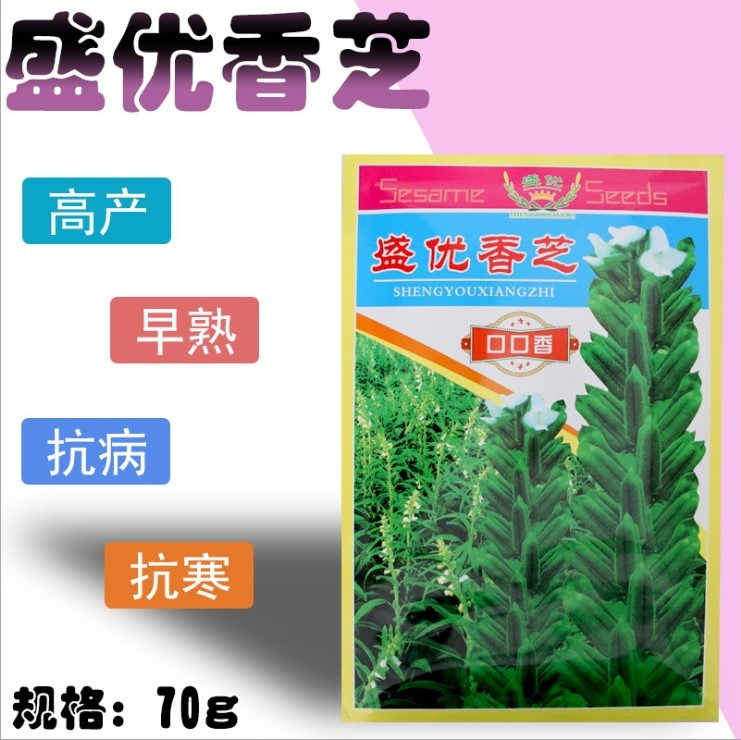
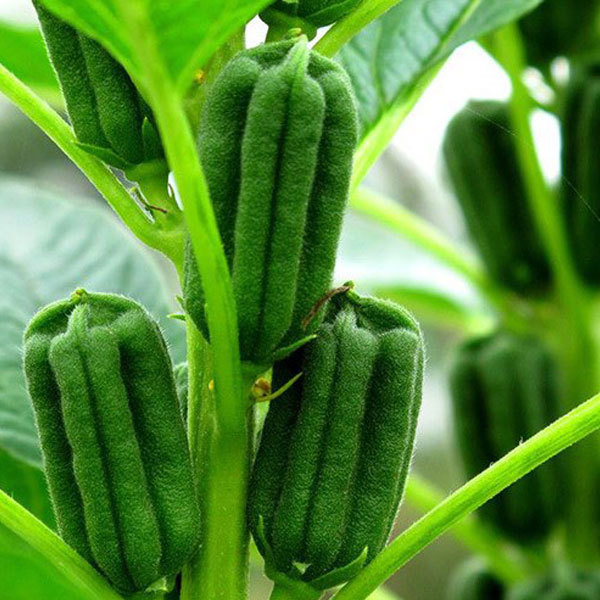
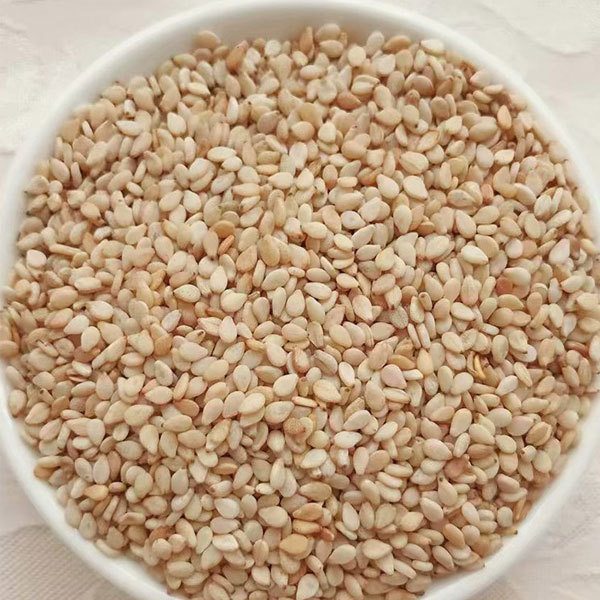
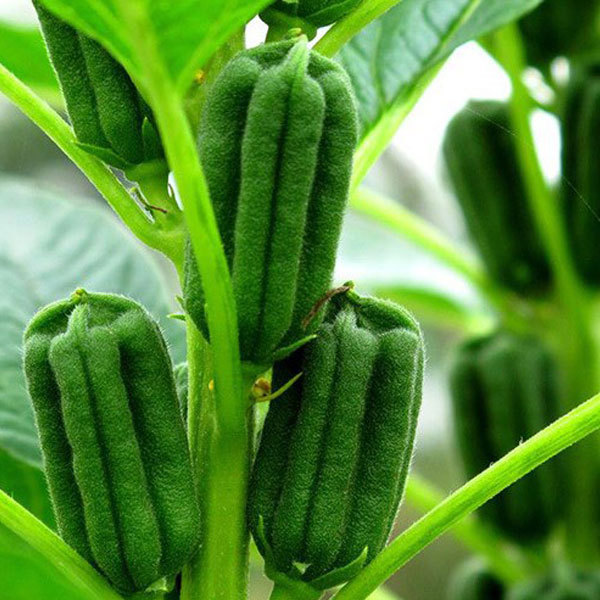
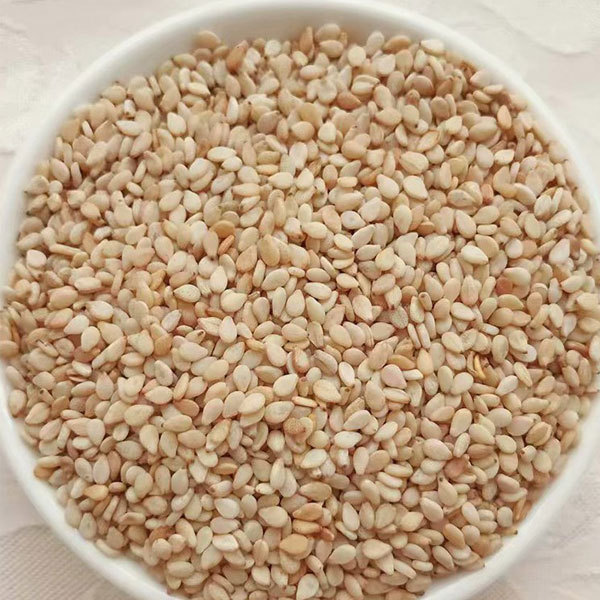
Farmers who manage sloped, dry upland fields often turn to white sesame as a reliable secondary cash crop. Unlike many grain crops that demand rich, heavy soil, this hardy oilseed flourishes on lean, well-drained land where rainfall is limited. Its upright stalks carry narrow green foliage; delicate pale trumpet-shaped flowers bloom along the stem, maturing into four-sided seed pods that hold rows of smooth pearly-white seeds.
The seeds carry a rich nutty aroma, widely pressed into premium fragrant sesame oil, or toasted and sprinkled over baked goods, noodles and salads. Root rot is the biggest risk factor for white sesame, so low-lying depressions that collect rainwater should always be avoided. This crop thrives under full sunlight; fewer sunshine hours will reduce pod quantity and cut the oil content inside each seed.
Seeds are tiny and must be sown shallowly. Once established, the crop needs very little irrigation, making it a perfect fit for dryland rotation systems. Many growers interplant sesame between corn or sorghum rows to maximize land use and diversify farm income.
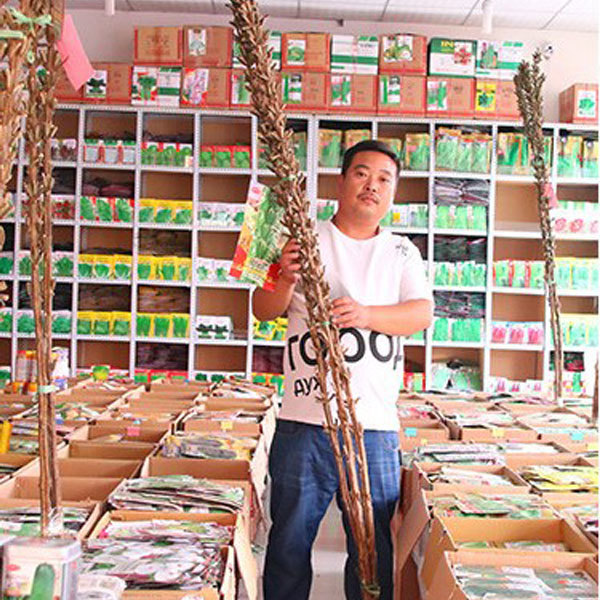
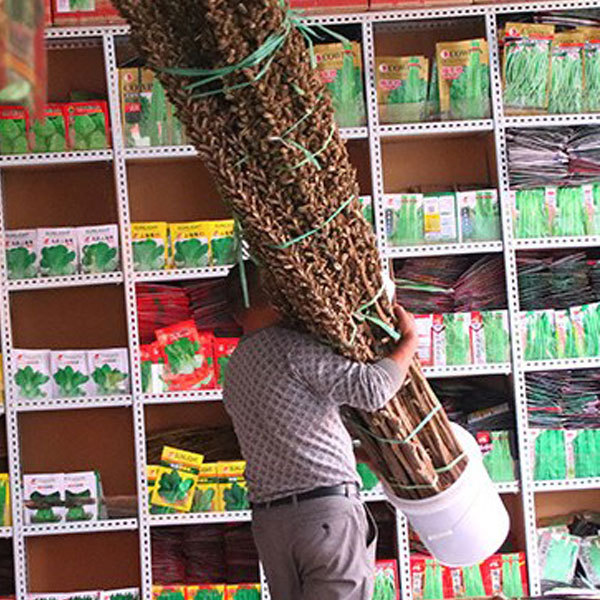
Growing Method Step 1: Choose an open sunny upland field, select sandy loam soil with excellent drainage. Step 2: Sow seeds shallowly at 0.5–1cm depth, only after soil temperatures rise steadily above 20℃. Step 3: Keep the bed lightly moist for germination, do not overwater young seedlings. Step 4: Thin out seedlings once they develop 2–3 true leaves, leaving 8–12cm spacing between plants. Step 5: Apply phosphorus and potassium fertilizer before blooming to boost pod development. Step 6: Keep weeds controlled during early growth; inspect regularly for leaf pests. Step 7: Harvest when the lower seed pods turn brown and dry; cut stalks and hang to fully dry before threshing.
Suitable Climate White Sesame is warm-season oilseed, optimal growing temperature 22℃ to 32℃. It cannot survive frost.
FAQ Q: How long for white sesame seeds to germinate? A: In warm, moderately moist soil, seeds germinate within 7–14 days.
Q: What soil type works best? A: Sandy loam is ideal. Heavy clay soil must be mixed with compost to improve drainage.
Q: Can sesame grow without frequent watering? A: Yes, it has strong drought tolerance. Overwatering causes far more damage than short dry spells.
Q: Can I interplant white sesame? A: It works great as an intercropped crop with tall grains such as corn, as long as it receives full sun.